
Second-Storey Extension
Build above garages or existing rooms for targeted growth.
No obligation · Response within 24 hours
Benefits of a Second-Storey Extension.
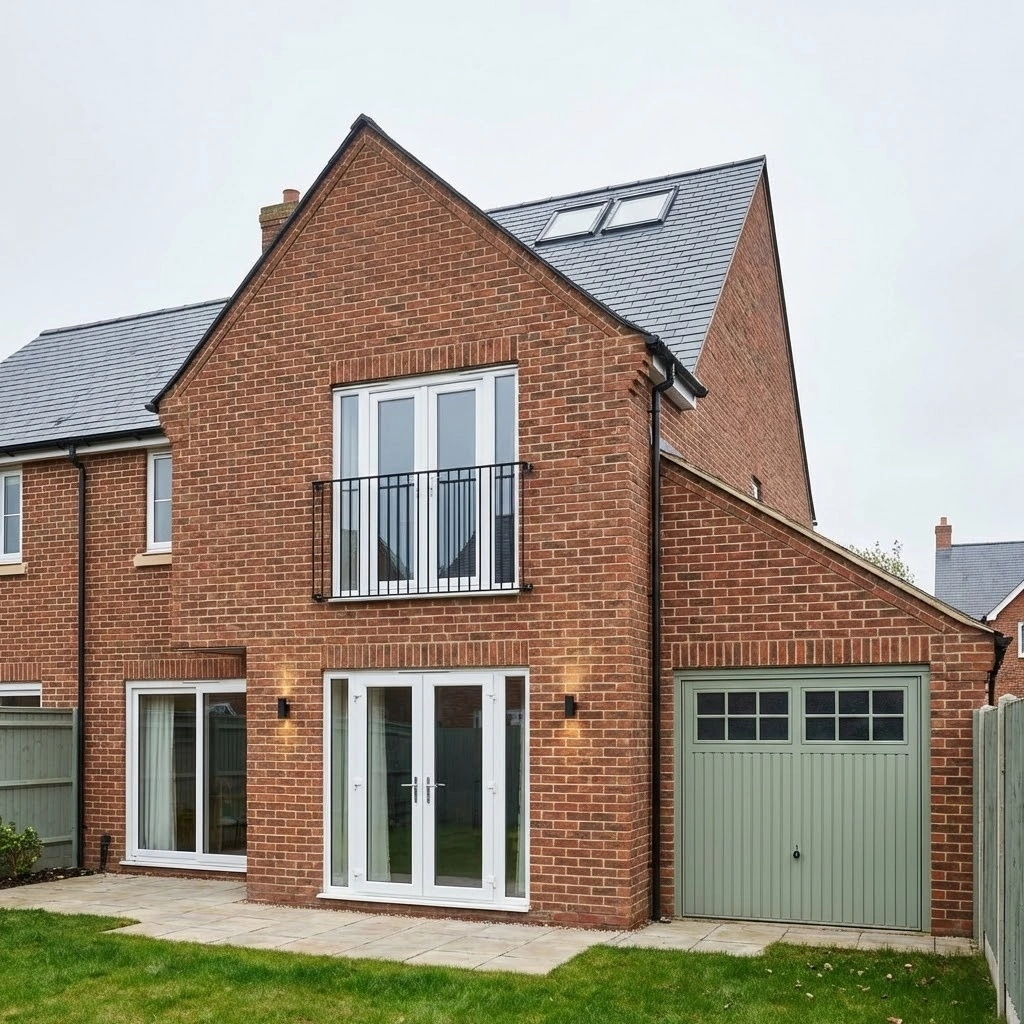
A second-storey extension adds rooms above existing ground-floor structures - typically garages, flat-roof extensions, or single-storey wings. This approach preserves your garden while adding bedrooms, bathrooms, or home office space where you need it most.
What's Included
Every second-storey extension project includes architect-led design and full technical documentation.
- Structural assessment of existing building below
- First floor layout design with staircase options
- Planning application with visual impact analysis
- Structural engineering for load transfer
- Building Regulations drawings and specification
Why work with us?
- Architect-led from day one
- Fixed fees, no surprises
- Planning success rate over 95%
- Direct communication throughout
Where Can You Build Above?
Common opportunities for second-storey extensions include:
- Above a garage - Convert unused roof space or build a full storey above an integral or attached garage
- Above a flat-roof extension - Many 1960s-80s homes have single-storey rear additions with flat roofs that can support additional floors
- Above a kitchen or utility wing - Period homes often have lower single-storey service wings
- Infilling between levels - Some homes have split levels or voids that can be built into
Structural Considerations
Building above existing structures requires careful assessment:
- Foundation capacity - Existing foundations may need underpinning to carry additional load
- Wall strength - Cavity walls and blockwork can often support upper floors; single-skin walls usually cannot
- Roof removal - The existing roof is stripped and replaced with floor structure and new roof
- Lateral stability - Tying the new structure into the main house for wind resistance
We work with structural engineers from the outset to confirm feasibility before developing designs.
Planning Implications
Second-storey extensions always require planning permission. Key factors include:
- Street visibility - Additions above front-facing garages affect streetscene character
- Neighbour impact - New first-floor windows must avoid overlooking
- Design integration - The extension should look like part of the original house, not an afterthought
- Roof form - Matching pitch, materials, and details to the existing roof
Common Questions
Is it cheaper to build above than to extend outward?
Sometimes. You save on foundations and ground floor structure, but may need to strengthen existing walls or foundations. The net cost is often similar to a ground-floor extension per square metre.
Where does the staircase go?
Staircase positioning is often the trickiest part. Options include extending into the existing first floor, building within the new space, or creating an external stair tower. We explore all options during design.
Can I build above my garage without affecting it?
The garage will remain usable in most cases, though you may lose some headroom if floor structure needs to be lowered. Some clients take the opportunity to convert the garage to living space at the same time.
How long does a second-storey extension take?
Construction typically takes 12-18 weeks. Roof removal and weatherproofing happens quickly to protect the building below. Allow 8-12 weeks for design and planning beforehand.