
Barn Conversion
Transform agricultural buildings into stunning homes.
No obligation · Response within 24 hours
Benefits of a Barn Conversion.
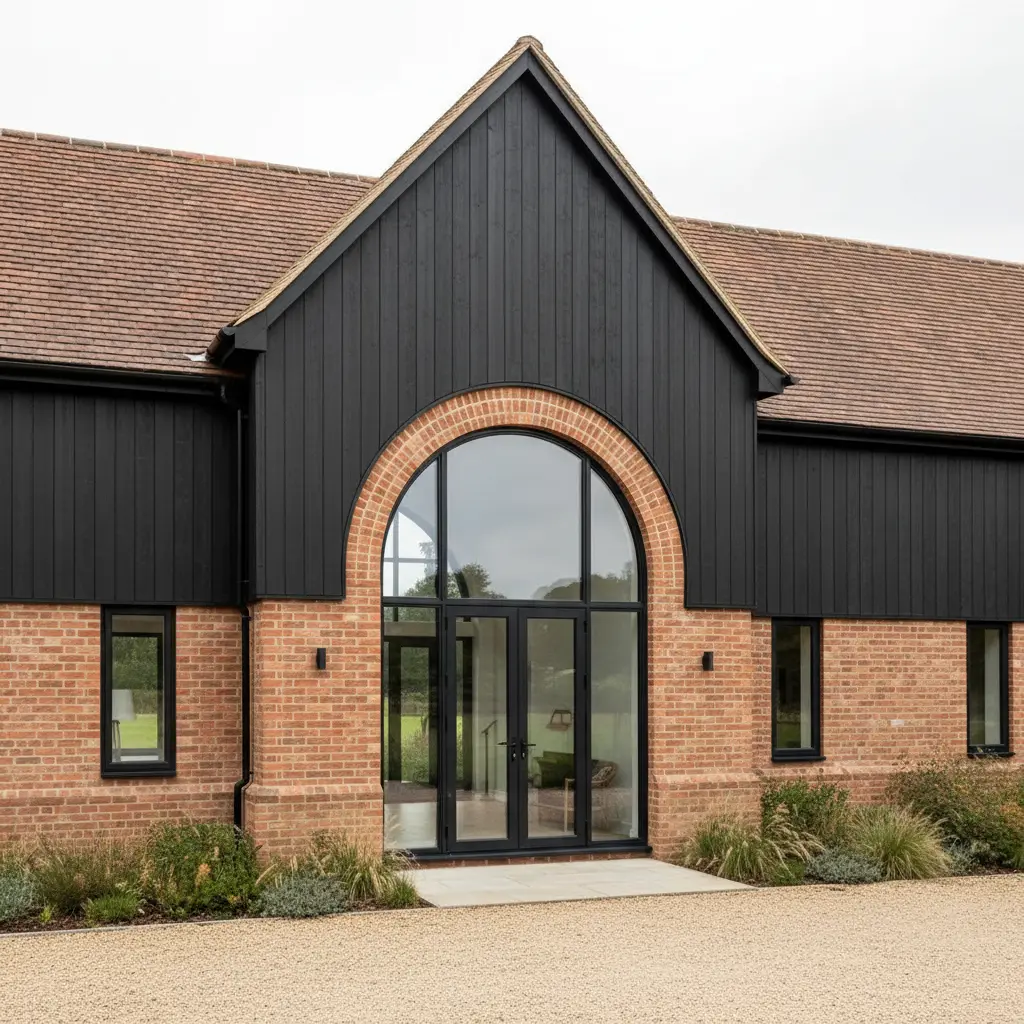
Barn conversions offer the opportunity to create unique homes with character, volume, and rural settings that new builds cannot replicate. Whether you have inherited an agricultural building, purchased one with planning potential, or own land with redundant structures, we guide you through the complex process of converting barns into beautiful, functional homes.
What's Included
Every barn conversion project includes architect-led design and full technical documentation.
- Feasibility assessment and structural survey
- Pre-application advice with local planning authority
- Planning application under Class Q or full permission
- Heritage and design statements where required
- Building Regulations package for residential conversion
- Construction drawings sensitive to the building's character
Why work with us?
- Architect-led from day one
- Fixed fees, no surprises
- Planning success rate over 95%
- Direct communication throughout
Planning Routes for Barn Conversion
There are two main planning routes:
- Class Q Permitted Development - Allows conversion of agricultural buildings to dwellings without full planning permission, subject to strict criteria
- Full Planning Permission - Required if Class Q criteria are not met, or if you want more design flexibility
Class Q limitations:
- Building must have been solely agricultural on 20 March 2013
- Maximum 5 dwellings or 865m² floor space
- Structural works limited - building must be capable of conversion without significant rebuilding
- Cannot increase external dimensions
- Various exclusions (listed buildings, SSSI, safety hazard zones, etc.)
Structural Challenges
Agricultural buildings were not designed for residential use:
- Foundations - Many barns have minimal or no foundations; underpinning may be needed
- Walls - Stone walls may need repointing, brick may need repair, timber frames may need strengthening
- Roof structure - Often characterful but may not meet modern loading or insulation requirements
- Floor levels - Agricultural floors need replacing with insulated, damp-proofed residential floors
A structural survey early in the process identifies these issues before you commit.
Design Sensitivity
The best barn conversions respect the building's agricultural heritage:
- Retain openings - Cart doors and openings can become glazed features rather than being filled in
- Expose structure - Roof trusses, beams, and stonework become interior features
- Minimal external change - Planning often requires the exterior to retain its agricultural character
- Sensitive insertions - Mezzanines, galleries, and pods can add floor area without compromising volume
- Appropriate materials - Natural materials and traditional details rather than suburban finishes
Common Questions
How much does a barn conversion cost?
Barn conversions typically cost £1,500-£2,500 per square metre - more than standard new builds due to structural challenges and heritage constraints. A 200m² barn might cost £300,000-£500,000 to convert.
Can I convert a barn in a Conservation Area?
Yes, but Class Q does not apply - you will need full planning permission. Conversely, the planning authority may be more supportive of sensitive conversion than demolition and rebuild.
What about services - water, electricity, drainage?
Rural barns often lack mains services. Connection costs can be significant, or you may need private solutions: borehole water, septic tank drainage, and potentially off-grid electricity. We factor these into feasibility assessments.
Do I need to keep the barn looking like a barn?
Generally yes, externally. Planning conditions typically require retention of agricultural character - no domestic features like porches, dormer windows, or residential-style fenestration. Internal design has more freedom.